
Alien bride lottery romances take a familiar marriage setup and throw it onto a dangerous planet, then add a heroine who never agreed to any of it. That combination creates instant pressure. She may be running from a Galactic Union lottery, trapped with an alien warrior she distrusts, or trying to survive a culture where mating is treated as law rather than personal choice. For adult romance readers, the appeal is obvious: high heat, forced proximity, sharp banter, peril, and a promised romantic payoff.
I especially recommend this category to readers who like their science fiction romance fast-moving and emotionally intense. You get the fantasy of being chosen, but not the neat version. The heroine usually has to fight for her freedom before she can decide what love means to her. That distinction matters. A bride lottery works best when the story treats consent, trust, and choice as part of the romance instead of brushing past them.
What makes an alien bride lottery romance different
In a contemporary marriage-of-convenience story, the pressure might come from family expectations or a business deal. In alien romance, the stakes can involve an entire planet, a mating law, a warrior clan, or a species facing extinction. The heroine isn't just agreeing to a wedding date. She may be entering a culture with unfamiliar rituals, dangerous biology, and very strong opinions about who belongs to whom.
That gives the trope room to stretch. One book may focus on a bride lottery broadcast across the galaxy. Another may send the heroine to a remote world after her name is selected. She might arrive expecting a ceremonial marriage and discover that her intended mate is feared by everyone around him. Sometimes the lottery is a genuine attempt to solve a population crisis. Sometimes it's political theater. Sometimes the heroine sees the whole system for what it is and runs.
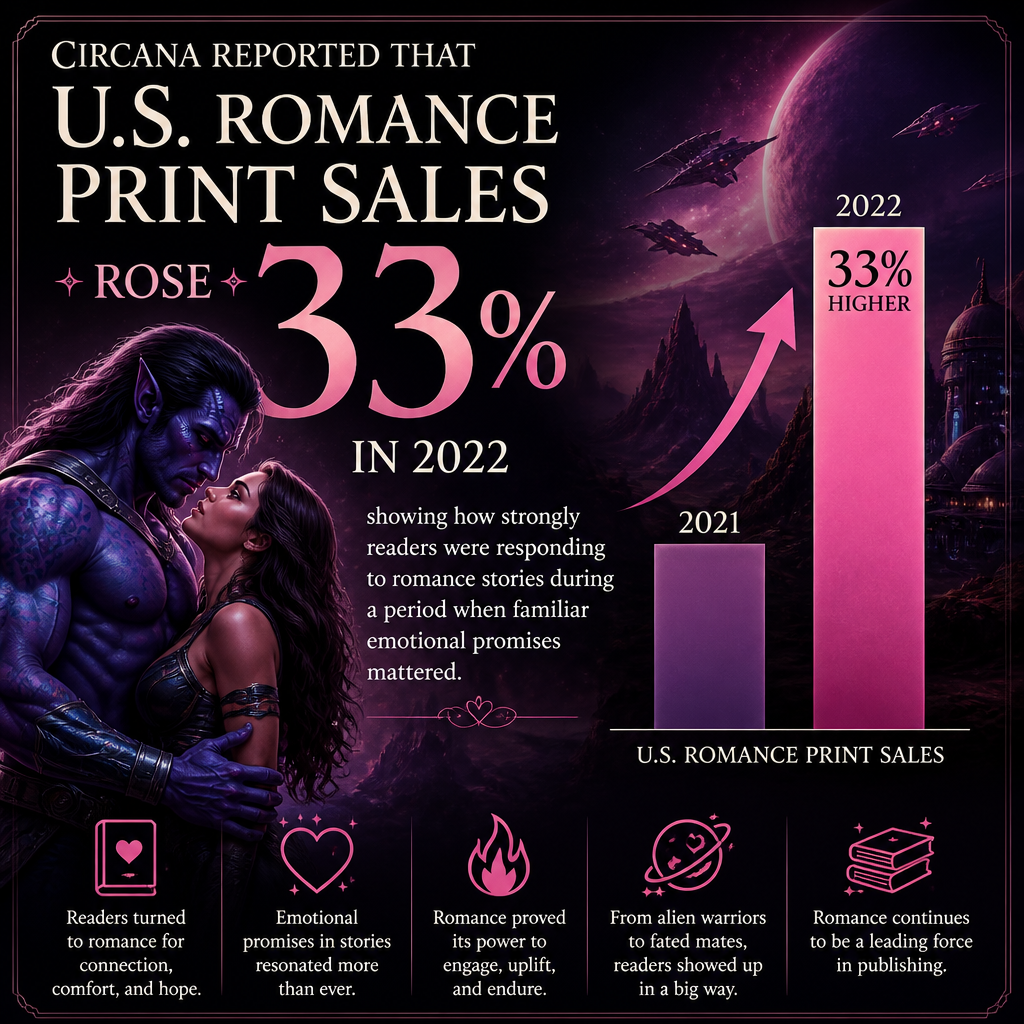
Circana reported that U.S. romance print sales rose 33% in 2022, showing how strongly readers were responding to romance stories during a period when familiar emotional promises mattered. Alien bride lotteries build on that promise while adding a setting where almost every ordinary relationship rule has been bent out of shape.
The heroine still needs a real choice
This is where I get picky. A heroine can be furious, frightened, or physically trapped at the beginning. That tension is part of the fun. But her eventual decision needs to feel like hers. The romantic payoff lands harder when she chooses the alien hero after learning the truth, surviving the danger, and seeing how he treats her when nobody is watching.
Strong heroines in these books aren't always soldiers or expert survivalists. Some are funny under pressure. Some are clever negotiators. Some are underestimated until they start asking the questions everyone else avoids. What they share is agency. Even a reluctant bride should be shaping the story rather than waiting for a possessive warrior to solve everything.
Why forced proximity works so well on dangerous planets
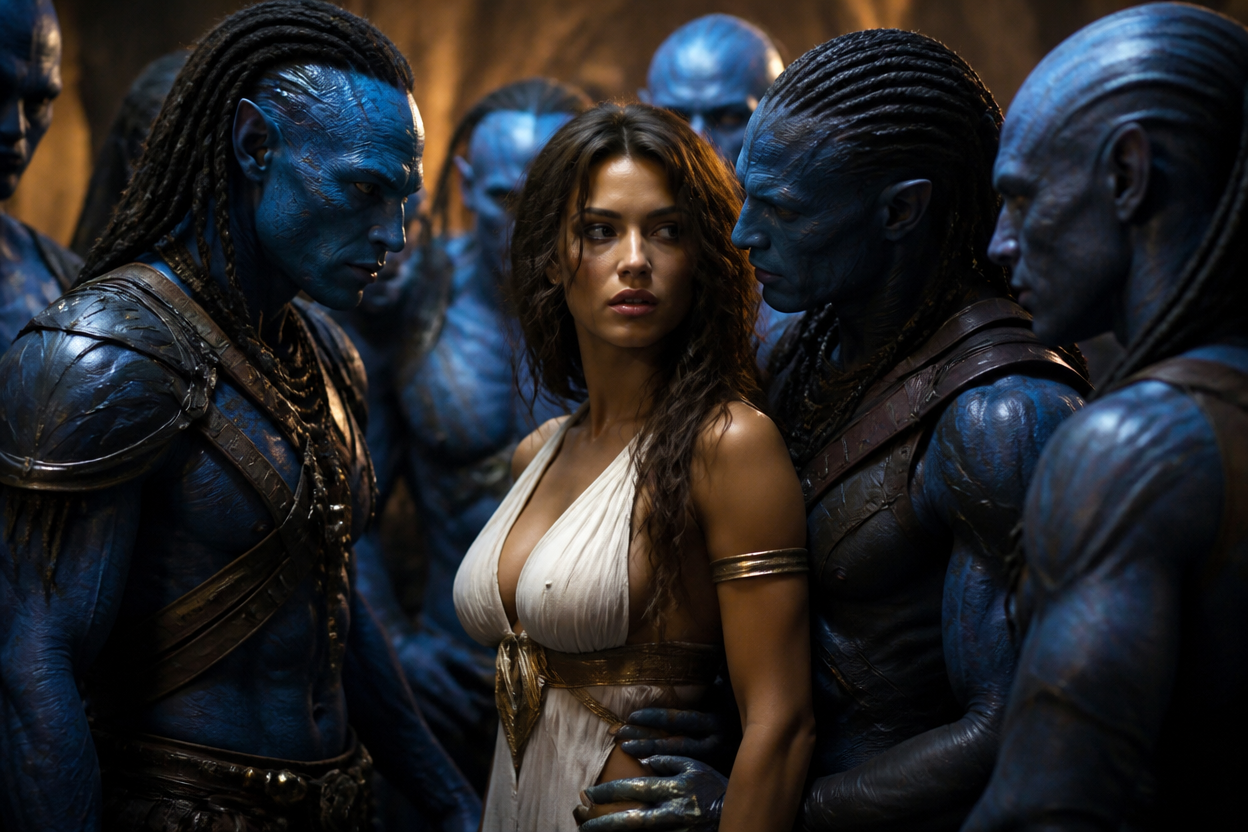
Put two people in a luxury space station and they can avoid each other for days. Crash them onto a hostile planet, and the awkward silence ends quickly. They need shelter. Food. Medical care. Protection from predators. A working transport ship would be nice too.
That practical dependence creates sexual tension without needing constant manufactured misunderstandings. The heroine sees the alien hero injured and has to decide whether to help him. He learns that she isn't helpless, even though she may be unfamiliar with the environment. They argue over supplies, sleeping arrangements, weapons, and whether the safest route is actually the safest route. Every decision reveals character.
Survival romance also makes trust visible. A hero can say he would protect his mate, but readers get to watch him give up warmth, food, or an escape route. The heroine can claim she doesn't need anyone, then quietly take the first watch so he can rest. Those small acts tend to matter more than a grand speech about destiny.
And the planet itself becomes part of the relationship. Strange weather, toxic plants, glowing forests, territorial creatures, and abandoned alien structures can force the pair into situations neither would choose. The setting isn't wallpaper. It keeps squeezing the characters until their emotional defenses start to crack.
Possessive and morally gray alien heroes
Alien warriors are popular in this category because they can embody danger and devotion at the same time. He may be feared by his enemies, bound by a brutal warrior code, or willing to make choices that a human hero would never consider. Yet with the heroine, he becomes intensely attentive. He notices when she is cold. He remembers what she refuses to eat. He learns the difference between her angry silence and her frightened silence.
That contrast is the fantasy. The hero may be morally gray, but the romance still needs emotional clarity. Readers want to understand what he believes, what he has done, and what he is willing to change. A possessive hero works when his protectiveness doesn't erase the heroine's personhood. “You are mine” has more impact when the story also shows him accepting “I choose you” as the words that truly matter.
There is room for darker behavior, especially in stories aimed at adult readers, but the book needs to know what emotional contract it is making. Threats, captivity, and coercive systems can create powerful conflict. They shouldn't be treated as proof of love by themselves. In my experience, the most satisfying alien warrior romances let the hero earn trust through repeated behavior rather than one dramatic rescue.
When the enemy becomes the mate
The hate-to-mate version adds another layer of friction. Maybe the heroine blames the warrior for the lottery. Maybe he sees her as a political problem. Maybe both believe the other species caused an old war. Their attraction becomes inconvenient, then impossible to ignore.
Good banter helps here, but banter alone won't carry the book. The characters need reasons to revise their opinions. A hidden sacrifice. A lie told to protect someone. Evidence that the supposedly savage warrior has been resisting the very system the heroine hates. Those discoveries turn attraction into something sturdier.
Why MFM and why choose stories raise the emotional stakes
A bride lottery with one intended husband already creates pressure. Add two rival alien warriors, and every emotional decision becomes more complicated. The heroine isn't choosing between a safe man and a dangerous man. She may be dealing with two different kinds of danger, two different forms of tenderness, and two men who have no idea how to share anything, especially her.
Why choose romance works best when each hero has a distinct role in the emotional balance. One might be controlled and strategic. The other might be blunt, physical, and unexpectedly funny. One notices the heroine's plans. The other notices when she is pretending not to be scared. Their rivalry can produce jealousy and heat, but it should also develop into cooperation.
That is especially satisfying in an alien setting because the relationship can challenge the culture around them. A society may recognize one mating bond but reject a larger relationship. The characters then have to decide whether tradition, law, or personal loyalty gets the final word. The conflict isn't just “which man will she pick?” She may refuse the assumption that she has to pick only one.
For readers who prefer MFM romance, pay attention to the balance of page time and emotional connection. The strongest books make all three relationships feel active. The heroine needs chemistry with each hero, and the heroes need a believable bond with one another, even when they are competing. Otherwise, the second hero can feel like decoration. Nobody wants that.
Where Runaway Bridezilla fits
My Hate to Mate series begins with Runaway Bridezilla, a high-heat science fiction romance built around the exact kind of trouble this trope does so well. Cordelia Lucius runs from the Galactic Union Bride Lottery and crash-lands on a hostile planet. Her survival problem would already be bad enough. Then she discovers that the two alien warriors she refused to marry, Kavros Darkblade and Gorrath Korvax, are the men she must rely on.
The setup brings together reluctant mating bonds, rival warriors, survival danger, humor, and MFM romance without losing the heroine's personality. Cordelia isn't a passive prize waiting to be claimed. She has opinions, fears, and a very understandable objection to being matched with two dangerous aliens. Kavros and Gorrath bring different kinds of intensity, which gives the conflict room to stay sharp even as attraction grows.
I love this particular arrangement because the hostile planet keeps the romance from becoming a simple argument about the lottery. The characters have immediate practical problems. They need one another before they trust one another. That creates the kind of slow emotional shift many alien romance readers want, even when the pacing stays quick and the heat arrives early.
How to choose your next alien marriage romance
Start with the emotional promise, not just the cover art. Do you want a soft fated-mates story with protective aliens? A darker survival romance where the heroine has to escape a corrupt system? A funny, high-heat why choose book with rival warriors who are terrible at hiding their jealousy?
Check the relationship structure before you start. Some books focus on one heroine and one alien husband. Others build toward MFM or a larger why choose relationship. Neither approach is automatically better. The right choice depends on whether you want intense pair bonding or a more expansive romantic dynamic.
Then look for the conflict style. Bride lottery stories can lean political, adventurous, comedic, dark, or heavily sensual. Forced proximity usually signals plenty of shared scenes, but the tone can vary wildly. A dangerous planet may create thrilling survival obstacles in one series and function mostly as a backdrop in another.
For the most satisfying read, I recommend finding out whether the book offers a guaranteed romantic payoff and whether it belongs to an interconnected series. Series romance can give alien cultures, rival clans, and recurring characters more space to grow. It also means the first book may leave some worldbuilding questions open. That's part of the fun, provided each romance receives its own satisfying ending.
The real appeal of the trope
Alien bride lottery romance works because it turns an imposed future into a chosen one. The heroine may begin as a runaway bride, a reluctant mate, or a stranded survivor. She may distrust the warriors beside her and resent every rule their culture expects her to follow. But the story gives her time to decide what she wants.
That journey is where the heat matters, too. Desire becomes more powerful when it grows alongside trust, humor, shared danger, and hard-won respect. For more ways these books connect with fated mates, alien warriors, survival romance, and high-heat series, you can browse The Complete Guide to Alien Romance Books and Tropes.
My takeaway is simple: the best alien marriage romances don't ask the heroine to accept a stranger just because a lottery named him. They make her challenge the system, survive the impossible, and choose love on her own terms. That's why the trope keeps delivering such wonderfully messy, addictive romance.