
Alien bride lottery books create conflict by dropping romance into a situation where nobody gets what they expected. A woman may enter the lottery because she needs protection, money, status, or a way off Earth. The alien warrior selected for her may see the match as sacred. She sees it as a trap. There you go. The romantic tension has teeth before the couple even shares a real conversation.
That setup works especially well in spicy science fiction romance because the external danger keeps pressing on the relationship. A hostile planet, a dangerous mating bond, rival warriors, or a possessive alien hero can turn every emotional hesitation into a survival problem. For readers who like fast pacing and guaranteed romantic payoff, the conflict never has to sit still.
The lottery turns marriage into a personal crisis
Choice versus obligation
The first source of conflict is simple: the heroine is expected to accept a life-changing match chosen by someone else. Even when the lottery is presented as a benefit, she may feel robbed of her future. She didn't choose the alien culture, the planet, the warrior, or the rules. Why should she trust any of it?
That emotional resistance gives the heroine a strong reason to fight back. She can be practical rather than foolish. Maybe she has already been used by institutions that promised safety. Maybe she knows that a bride lottery treats women like solutions to a demographic problem. Or maybe she simply doesn't want a husband she has never met.
In my experience, the most satisfying heroines don't reject the match because they fail to understand the stakes. They reject it because they understand them perfectly. Marriage means surrendering control, and control matters even more when the proposed husband has fangs, military training, and a culture that considers the bond permanent.
The selected hero has his own expectations
The alien hero usually isn't waiting around with a blank mind. He may believe the lottery chose his fated mate. He may have spent years expecting a bond that never came. He could see her refusal as an insult, a threat, or proof that humans are impossible.
That mismatch creates wonderfully uncomfortable scenes. He wants to protect her. She wants him to stop following her. He thinks her fear means she needs reassurance. She thinks his persistence confirms every suspicion she had. Nobody is technically hearing the same conversation.
Readers interested in the broader Alien Bride Lotteries and Marriage Romance category will recognize this tension. The lottery isn't merely a cute meet-cute device. It creates a power imbalance that the romance has to address honestly.
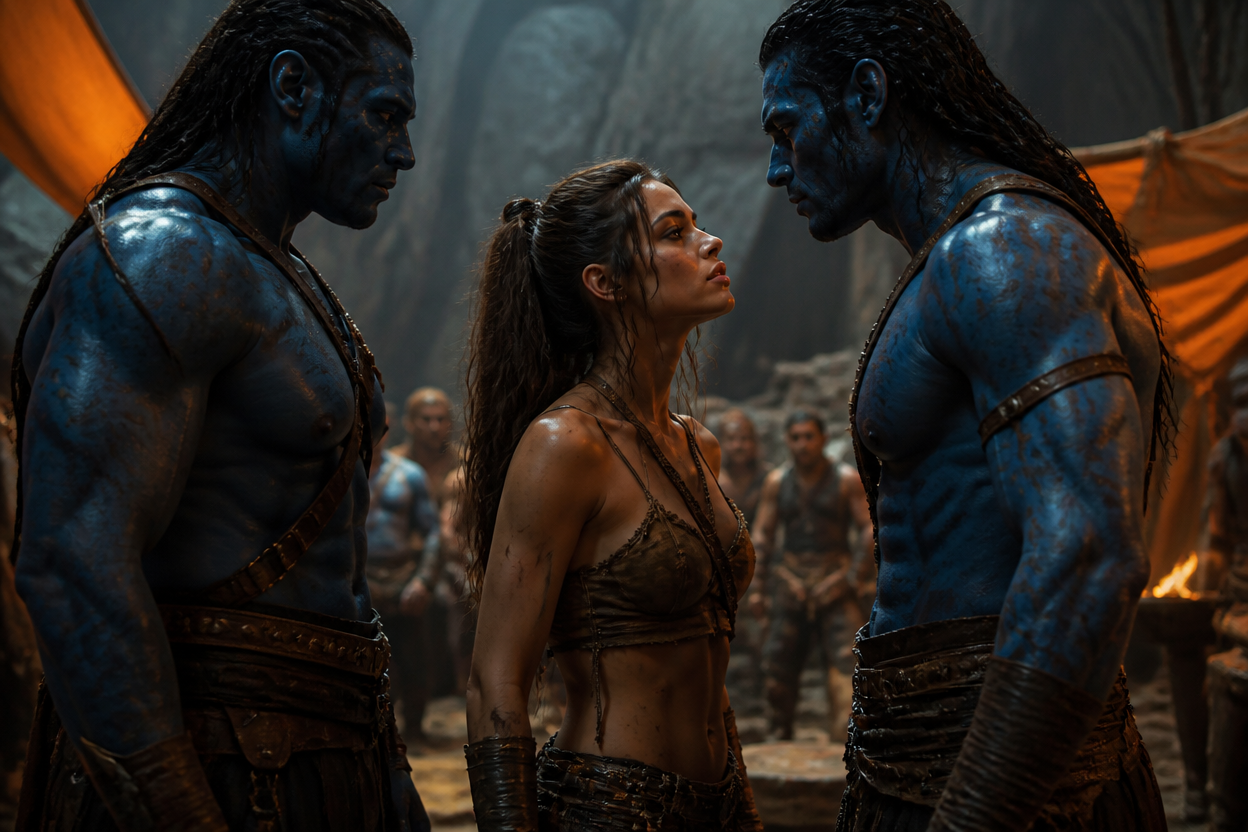
Forced proximity makes every disagreement harder to escape
Running away rarely solves the problem
Many alien bride lottery stories become more exciting when the heroine refuses the official match and runs. That decision gives her agency, but it also pushes her into a worse situation. She may crash on an alien world, lose access to supplies, or attract predators that don't care about her relationship status.
Now the hero has to find her. Or she has to work beside him because he's the only person who understands the terrain. Either way, the couple can't maintain a polite emotional distance. They need shelter. Food. Medical treatment. Someone has to stand watch while the other sleeps.
That's where small conflicts become intimate. Who gets the warm side of the cave? Does she trust him with a weapon? Will he let her risk herself? Does she accept his help, or would accepting it feel like agreeing to the marriage?
Survival creates reluctant teamwork
Survival romance works because competence is attractive, especially when the heroine and hero have different skills. She might understand machinery, negotiation, or human technology. He might know how to track prey, read weather patterns, and fight off creatures that should not have that many legs.
They don't need to like each other right away. They do need to cooperate. A crisis forces them to see the person beneath the label. The supposedly arrogant warrior may be patient with injured animals. The runaway bride may be braver than anyone expected. Attraction often arrives through action rather than a long explanation.
But survival doesn't erase the original problem. It sharpens it. Every favor can feel like a debt. Every protective gesture can look like control. When the alien hero carries the heroine out of danger, she may be grateful and furious at the same time. Honestly, that combination is part of the fun.
- The heroine wants freedom, but the planet makes independence dangerous.
- The hero wants trust, but his possessiveness makes trust difficult.
- The mating bond creates desire before emotional safety exists.
- The culture calls the match sacred while the heroine calls it coercion.
- Outside enemies force the couple to rely on each other.
Fated mates add desire before trust is ready
The body may agree before the mind does
A fated mate bond can make alien romance conflict much messier. The heroine may feel an intense physical pull toward a man she doesn't trust. The hero may recognize the bond immediately and treat it as undeniable truth. Neither response fixes the emotional gap between them.
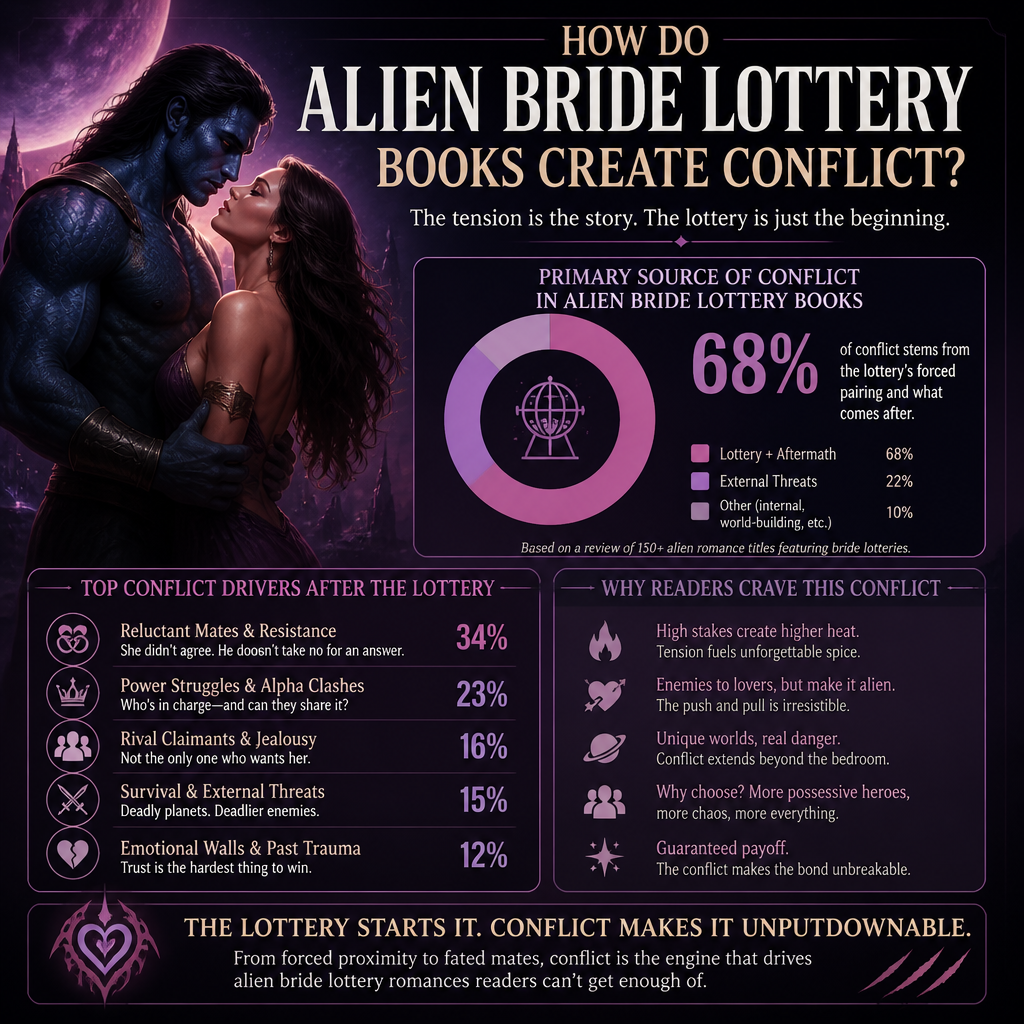
This is where spicy romance gets its pressure. Desire isn't the same as consent, and a good story knows the difference. The heroine can want the hero and still refuse his demands. She can crave his touch while questioning his motives. She can be affected by the bond without surrendering her judgment.
I recommend paying attention to how the book handles that distinction. The strongest stories make the romantic payoff feel earned. The bond may create heat, but the characters still have to build trust through choices.
Possessiveness can feel protective or threatening
Possessive alien heroes are popular for a reason. There is something deeply satisfying about a dangerous warrior deciding that one woman matters more than anything else. But possessiveness creates conflict when the hero confuses protection with ownership.
He may threaten anyone who comes near her. He may insist she stay inside his fortress. He may react badly when she takes risks. From his perspective, these actions could be love. From hers, they may look like another cage.
Morally gray heroes become especially interesting here. The story can let him make questionable choices without pretending those choices don't have consequences. He has to learn that devotion isn't a free pass. The heroine has to decide what she can forgive, what she won't tolerate, and whether his actions change over time.
That negotiation gives the romance its emotional backbone. The heat gets attention, sure. The real payoff comes when the hero protects her right to choose him.
Rival warriors turn one match into a larger emotional mess
Why choose romance multiplies the stakes
When two alien warriors want the same bride, the conflict becomes more than a disagreement between strangers. Each hero can represent a different future. One might be disciplined and severe. Another might be openly tender but just as dangerous. Their rivalry exposes the heroine's choices because she can't simply hide inside one relationship.
MFM and why choose romance also creates friction between the heroes. They may compete over who guards her, who gets her attention, or whose traditions should shape their shared life. Jealousy is easy. Cooperation is harder. And readers usually want both.
In Runaway Bridezilla, the setup leans into that delicious mess. Cordelia Lucius runs from the Galactic Union Bride Lottery, crash-lands on a hostile planet, and ends up needing Kavros Darkblade and Gorrath Korvax, the two alien warriors she refused to marry. The conflict isn't only “will she fall for them?” It is also “can these three survive long enough to decide what they actually want?”
The heroine becomes the center of the negotiation
A strong why choose story doesn't treat the heroine like a prize passed between competing men. Her decisions should change the balance. She may set rules, challenge their customs, or refuse to choose between them simply because the culture expects one answer.
That creates excellent romantic friction. One hero may accept her independence sooner than the other. One may apologize while the other doubles down. Their reactions reveal character, and the heroine gets to judge them based on behavior rather than promises.
For readers who enjoy alien warriors, fated mates, humor, and high-heat interconnected romance, The Complete Guide to Alien Romance Books and Tropes is a useful place to compare the different kinds of tension these stories can create.
FAQs for How Do Alien Bride Lottery Books Create Conflict
Why don't alien bride heroines simply accept the lottery match?
Because acceptance may cost them freedom, safety, or the right to shape their own future. The match might also involve a culture they don't understand and a hero who assumes the bond gives him authority. Refusal makes sense when the heroine has no reason to trust the system or the man selected for her.
Can an alien bride lottery romance still have a happy ending?
Absolutely. The happy ending feels strongest when the couple addresses the power imbalance instead of skipping over it. The heroine needs a genuine choice, and the hero needs to prove that his love isn't dependent on obedience. Once the relationship becomes mutual rather than imposed, the original conflict turns into the foundation for a satisfying romantic payoff.
The best conflict changes the meaning of the match
Alien bride lottery books work because the romance begins with a problem nobody can ignore. The heroine wants control. The hero believes in destiny. The planet demands cooperation. A mating bond adds desire before trust, and rival warriors make every decision more complicated.
That pressure keeps the story moving, but it also gives the romance something to resolve. By the end, the question isn't merely whether the lottery was right. It's whether the characters can turn an imposed match into a relationship they actively choose. That's the emotional promise I look for in this subgenre, and it's exactly why Runaway Bridezilla makes such a tempting starting point for readers who like danger, banter, possessive alien heroes, and very complicated happily-ever-afters.